
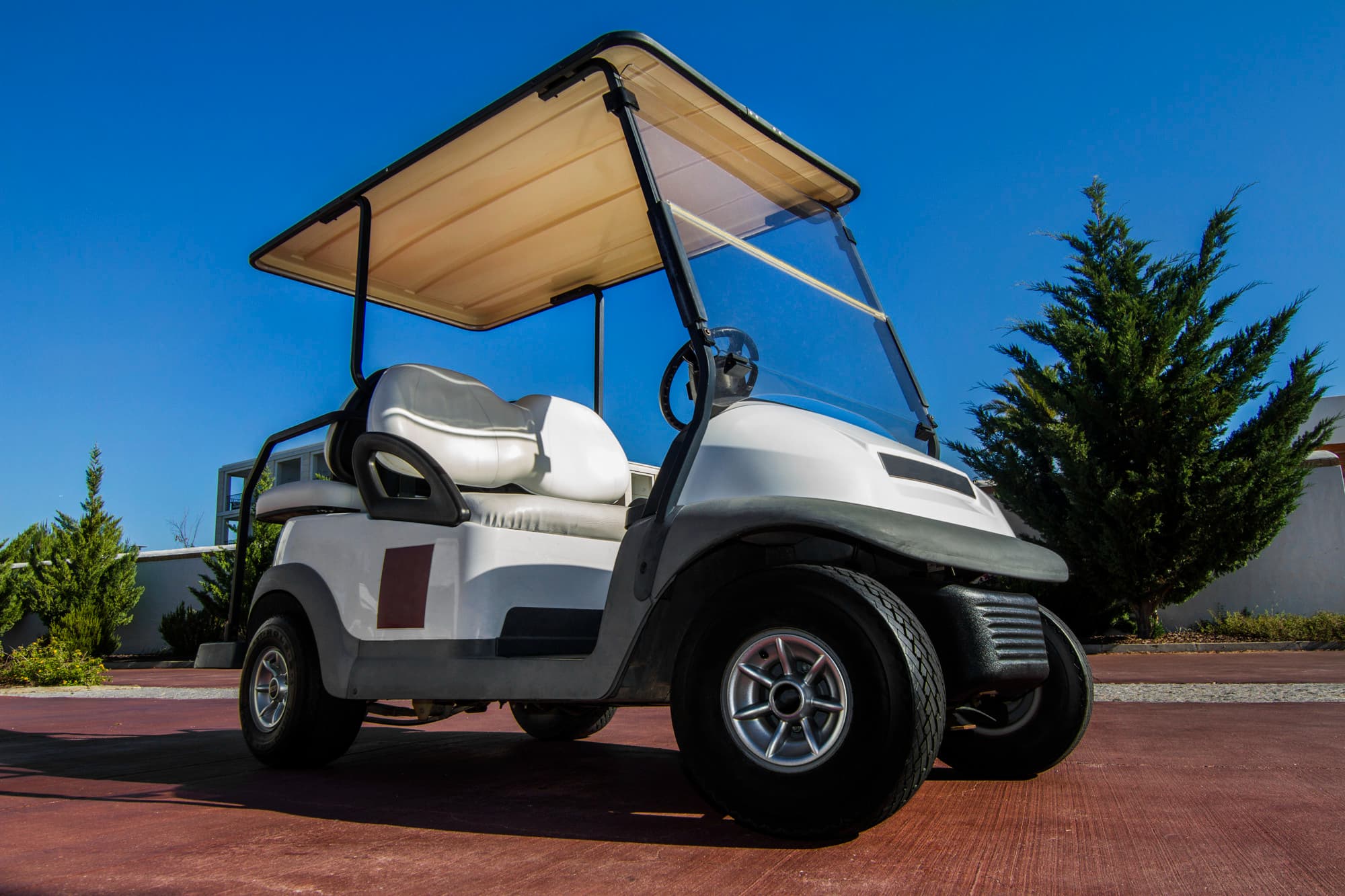
Custom carts put more demands on a battery than stock configurations do. Sound systems, upgraded lighting, lifted builds with larger motors, and the expectation of reliable daily performance in Austin's heat all pull more from the battery pack than a basic two-seat cart on a flat course was designed to handle. When a custom cart's battery starts to lag, the rest of the build suffers.
Lithium is the upgrade most custom cart owners land on, and the reasoning is practical. You know, it's not just about having a newer battery. It's about making sure the rest of what you've built into your cart actually gets to perform the way it should. A weak battery kind of holds everything back.
Here's what the upgrade involves, what it costs, and who it makes the most sense for. And if you're already working with a team that offers professional golf cart services, this is usually one of the first things they'll bring up when you talk about long-term performance.
Why Custom Cart Owners Switch to Lithium
The primary reason is maintenance elimination. A lead-acid battery pack requires monthly attention: water level checks in each cell, terminal cleaning, and careful monitoring of the charge cycles. For someone who built a custom cart to use, not to service, that monthly requirement gets old fast.
Lithium iron phosphate batteries require none of that. No water maintenance. No terminal corrosion to manage. The pack handles charging and discharging without the routine attention lead-acid demands.
Weight is the secondary driver. A lithium pack is significantly lighter than a comparable lead-acid setup. On a custom cart with a lift kit and larger tires already changing the weight distribution, cutting weight from the battery compartment improves the handling balance of the finished build.
Custom carts also tend to carry higher electrical loads from added accessories. Lithium chemistry handles variable demands more consistently than lead-acid, which shows voltage sag as the charge depletes. A sound system drawing power through the last portion of a lead-acid charge will perform differently than when the pack is full. Lithium delivers more consistent output across a broader range of charge states.
How the Battery Types Compare
There are three battery options we carry at Golf Carts of ATX: traditional lead-acid (flooded), AGM (Absorbed Glass Mat, a sealed lead-acid variety), and lithium iron phosphate (LiFePO₄).
Lead-acid flooded batteries are the traditional choice. They cost the least upfront, ranging from $191 to $379 per battery depending on voltage, but they require monthly water level checks and terminal maintenance. Under regular use, a well-maintained lead-acid pack typically lasts 4 to 6 years.
AGM batteries remove the water maintenance requirement. They're sealed, which means no monthly cell checks. The cost sits between lead-acid and lithium. For owners who want lower maintenance without the full lithium price point, AGM is a reasonable option to consider.
Lithium iron phosphate carries the highest upfront cost. Lithium kits at Golf Carts of ATX run $2,162 to $3,765 depending on the cart's voltage and capacity requirements. The tradeoff is a 10-year warranty on the ECO LiFePO₄, structured as 5 years of full replacement coverage followed by 5 years of prorated coverage, along with no monthly maintenance, lighter weight, and more consistent performance under real-world electrical loads.
The Installation Process
Battery installation runs $249 in-store. For customers who want the work done at their location rather than bringing the cart to our Austin shop, mobile installation is $249 plus a $75 trip charge. Mobile service covers Austin, Georgetown, Round Rock, Dripping Springs, Lakeway, Pflugerville, Cedar Park, and San Marcos.
The installation process includes removing the existing battery pack, fitting the new pack, connecting it to the cart's electrical system, and verifying charger compatibility. Lithium batteries require a charger matched to the chemistry. Running a lead-acid charger on a lithium pack without confirming compatibility is a problem, and we check that as part of every lithium install.
New carts can also be configured with lithium from the start for buyers who want to skip the future upgrade altogether. That's worth discussing during the purchase conversation if you know you want zero maintenance from the beginning.
What the 10-Year Warranty Covers
The ECO LiFePO₄battery carries a 10-year warranty structured in two phases. Years one through five provide full replacement coverage. Years six through ten are prorated, meaning coverage applies at a declining rate through the end of the warranty term.
A typical lead-acid battery warranty runs one to two years. The warranty gap between the two options over a ten-year ownership period is substantial, particularly for a custom cart that's being driven regularly and expected to perform consistently over time.
Who Should and Shouldn't Upgrade
A lithium upgrade makes the most sense for cart owners who use their carts daily or several times a week. The higher upfront cost is offset by the longer service life, the absence of monthly maintenance, and better performance under the kind of electrical demands a custom build involves.
For owners who are already on their second lead-acid pack, the math of upgrading to lithium versus replacing lead-acid again is often straightforward. Replacing a lead-acid pack twice over ten years, at $800 to $1,500 per replacement depending on voltage requirements, plus the ongoing maintenance time, can approach or exceed the cost of a single lithium kit that won't need attention for a decade.
Owners who drive occasionally and run a stock configuration with no added accessories have less urgency around the upgrade. For them, a well-maintained lead-acid pack or an AGM option may be the more sensible financial choice. We'll say that honestly when asked. The right battery recommendation is the one that fits how the cart is being used, not the one that costs the most.
Battery upgrades can be scheduled at our Austin showroom or handled by our mobile service team if transporting the cart isn't practical.
Related Topics: